Signs Your Dog Is Secretly Overstimulated on Walks
By Sniff & Bark Dogwear
Walks are often seen as the highlight of a dog’s day.
A chance to explore, move, and experience the world.
But not every walk feels calm or easy for every dog.
Sometimes, what looks like excitement on walks is actually overstimulation in dogs.
🐶 What is overstimulation in dogs?
Overstimulation happens when a dog is exposed to more sensory input than they can comfortably process.
During walks, this can include:
- Smells coming from multiple directions
- Loud or unfamiliar sounds
- Movement from people, cars, or animals
- Constant visual changes in the environment
To humans, a walk feels simple.
To dogs, it can feel like processing an entire moving world at once.
👀 Why it’s often misunderstood
Overstimulation can easily look like:
- Excitement
- Curiosity
- High energy bursts
- “Selective listening”
Which is why it’s often mistaken for disobedience or lack of training.
But in many cases, your dog isn’t refusing to listen — they’re struggling to focus.
⚠️ Signs your dog may be overstimulated
Common signs:
- Pulling more than usual at the start of walks
- Difficulty focusing or responding to cues outdoors
- Stopping, freezing, or hesitating often
- Reacting quickly to small triggers
- Seeming restless or “wired” after walks
Physical signs:
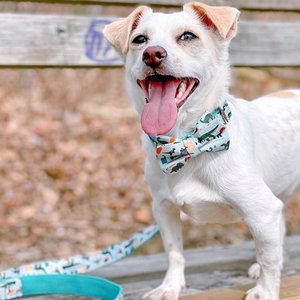
- Whining, barking, or high-pitched vocalizing
- Spinning, jumping, or strong leash pulling
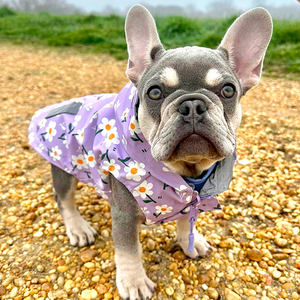
- Wide, alert eyes with dilated pupils
- Rapid, shallow panting without heavy exertion
Together, these often point to sensory overload.
🧠 Why it happens on walks
Walks aren’t just exercise.
They are full sensory experiences.
Your dog is constantly:
- Processing scent information in real time
- Scanning movement in their environment
- Reacting to sounds and changes
- Deciding what deserves attention
When everything feels important, nothing feels easy to process.
And that’s where overwhelm builds.
🌿 What helps (in real life)
Start before the walk begins
Use calm transitions
→ A few minutes of sitting, waiting, or gentle leash handling can help set the tone
Watch exit energy
→ If your dog rushes out the door, practice calm leash clipping and patience before leaving
During the walk
Start slow
→ The first 5–10 minutes are often the most overwhelming
Build in reset moments
→ Stop, stand still, and allow your dog to observe
Give sniffing priority
→ Sniffing helps your dog process and regulate
Keep routines predictable
→ Familiar routes can reduce sensory overload
Avoid peak stimulation times
→ Quieter hours often lead to calmer walks
Add distance from triggers
→ Space is more helpful than forcing exposure
Your role matters too
Stay calm and steady
→ Dogs often mirror your energy
Slow down your handling
→ A relaxed leash can help your dog feel more secure
💛 Final thought
Your dog isn’t trying to ignore you.
They’re responding to everything around them.
And when you start seeing walks through that lens,
what looks like behavior issues often becomes communication instead.