






















How Dogs Impact Our Lifestyle & Wellbeing
We often think of dogs as companions. But if you look closer, they do something far more interesting than that. They don’t just fit into our lives.They quietly reshape how we live them. From our...
- 1 comment


Your dog may sleep on a comfy bed, follow you around the house, and wait patiently for dinner… but deep inside, they are still wired with survival behaviors from their wild ancestors.
Have you ever noticed your dog suddenly stopping during walks just to sniff the same spot… or joyfully rolling on grass like it’s the best moment of their day? These behaviors are more than just quirky habits. They are deeply connected to survival, communication, and natural instinct.
Let’s explore some fascinating wild behaviors still alive in our everyday pups.
When your dog stops to sniff during walks, they are doing something incredibly advanced.
Dogs can:
To your dog, a walk is like browsing a massive information network made of scent.
👉 Letting your dog take time to sniff is mentally enriching for them.
Have you noticed your dog sometimes walks in zigzag or unpredictable patterns?
This behavior comes from hunting ancestry.
Wild dogs used this movement to:
Even in safe neighborhoods, this ancient hunting instinct still shows up.
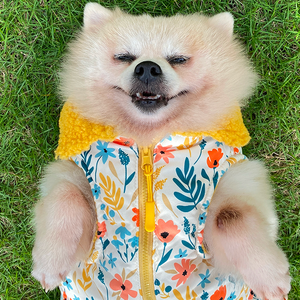
Why do dogs suddenly flop down and roll in grass like it’s the best feeling in the world?
Rolling in grass is a mix of instinct + sensory enjoyment.
Dogs may roll in grass to:
In the wild, scent rolling helped animals blend into their surroundings for survival.
Today, it’s usually just your dog enjoying nature. 💖
Dogs get extremely excited when chasing toys, balls, or moving shadows because of hunting instincts.
In the wild, dogs hunted by:
Playtime like fetch is not just exercise… it is instinctual and mentally fulfilling for your pup.
If your dog loves:
That’s called den behavior.
In the wild, dens helped animals stay:
Your dog’s love for cozy spaces is a comfort survival instinct.
Have you noticed your dog digging into blankets, pillows, or clothes before settling down?
This is called burrowing or nesting behavior.
Dogs may burrow to:
In the wild, creating nests helped animals stay protected and comfortable.
Digging is another strong survival instinct.
Dogs may dig to:
In the wild, digging helped dogs:
Sometimes, digging is just your dog following ancient survival habits — even if it leaves your yard a little messy! 😄
Those sudden bursts of energy we call zoomies aren’t random.
Zoomies may help dogs:
It’s your dog’s natural way of balancing energy and emotions.
Howling is also one of the strongest links to wild ancestry.
Dogs may howl to:
In the wild, howling helped pack members stay connected across long distances.
Today, howling can still be your dog’s way of saying they want connection with their pack.
When your dog is:
They are showing natural protective and social pack instincts.
Dogs are naturally social animals that thrive on connection and security.
Even in modern life, dogs still carry thousands of years of survival intelligence.
Every sniff, roll, chase, zoomie, and howl is a small reminder of their wild history.
And that wild heart is part of what makes them such incredible companions.
Celebrate your pup’s wild side today with extra playtime, longer sniff walks, and lots of love. 🐾
1 comment
My little dog still carries a lot of these of these characteristics and usually I allow her to do it. Now for sure I will.